HOW LONG
About 20 seconds
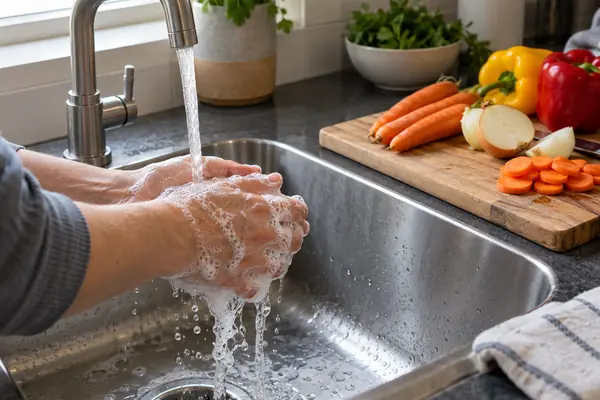
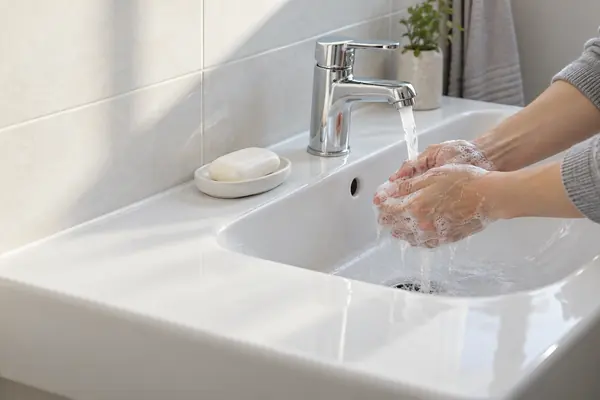
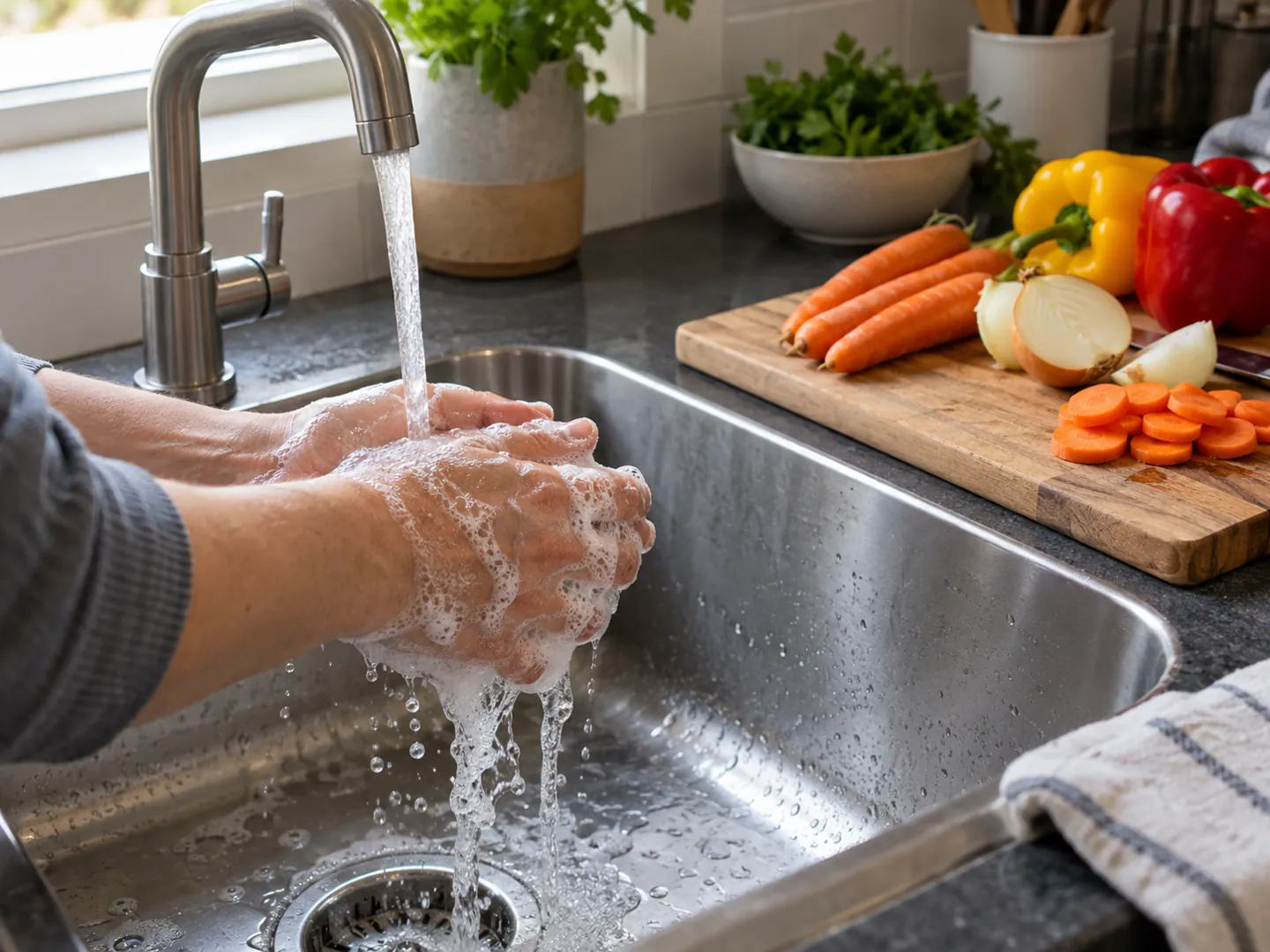
The NHS says to wash for as long as it takes to sing Happy Birthday twice, around 20 seconds, covering the backs, between the fingers, thumbs and fingertips.
The stepsWHAT THE GUIDANCE SAYS
The easiest habit with the biggest reach.
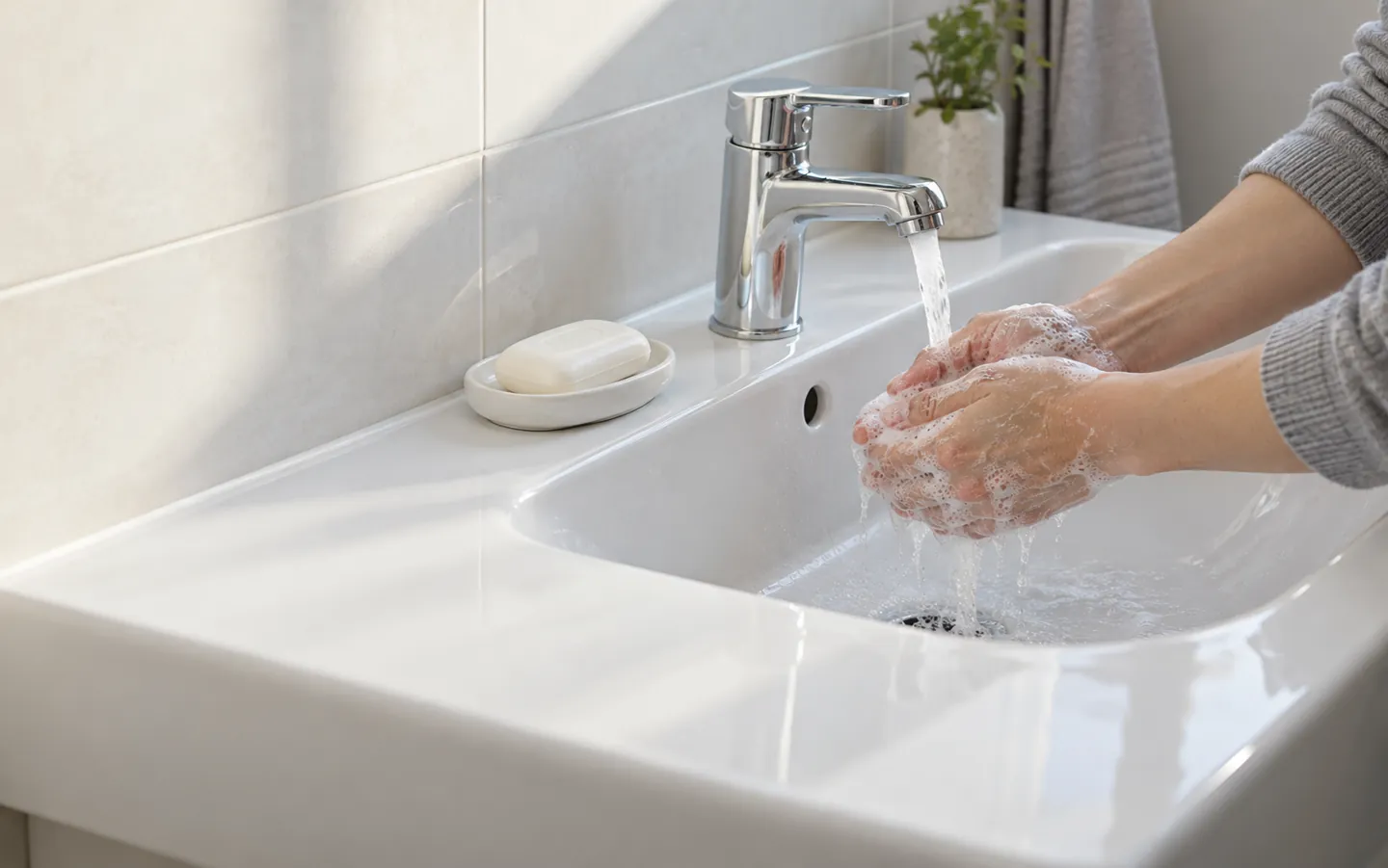
The NHS calls washing your hands one of the easiest ways to protect yourself and others from illnesses such as food poisoning and flu. Doing it well takes about 20 seconds and a few steps most of us rush.
20 SECONDS soap and water
THE SHORT ANSWER
Most of the benefit is in the details:
the backs, thumbs, fingertips and drying.
HOW LONG
The NHS says to wash for as long as it takes to sing Happy Birthday twice, around 20 seconds, covering the backs, between the fingers, thumbs and fingertips.
The stepsWHEN
Wash after the toilet or a nappy change, before eating or handling food, before and after raw meat and vegetables, and after blowing your nose.
Check a momentGEL
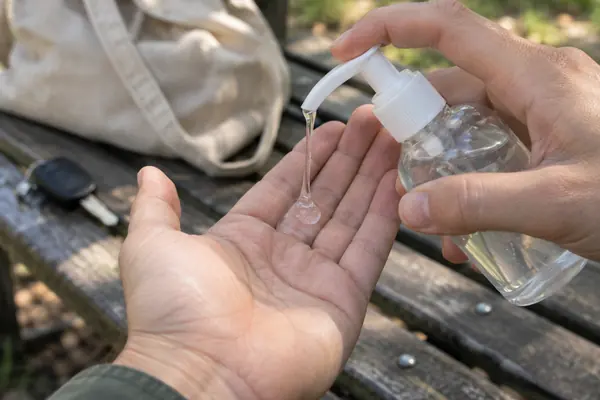
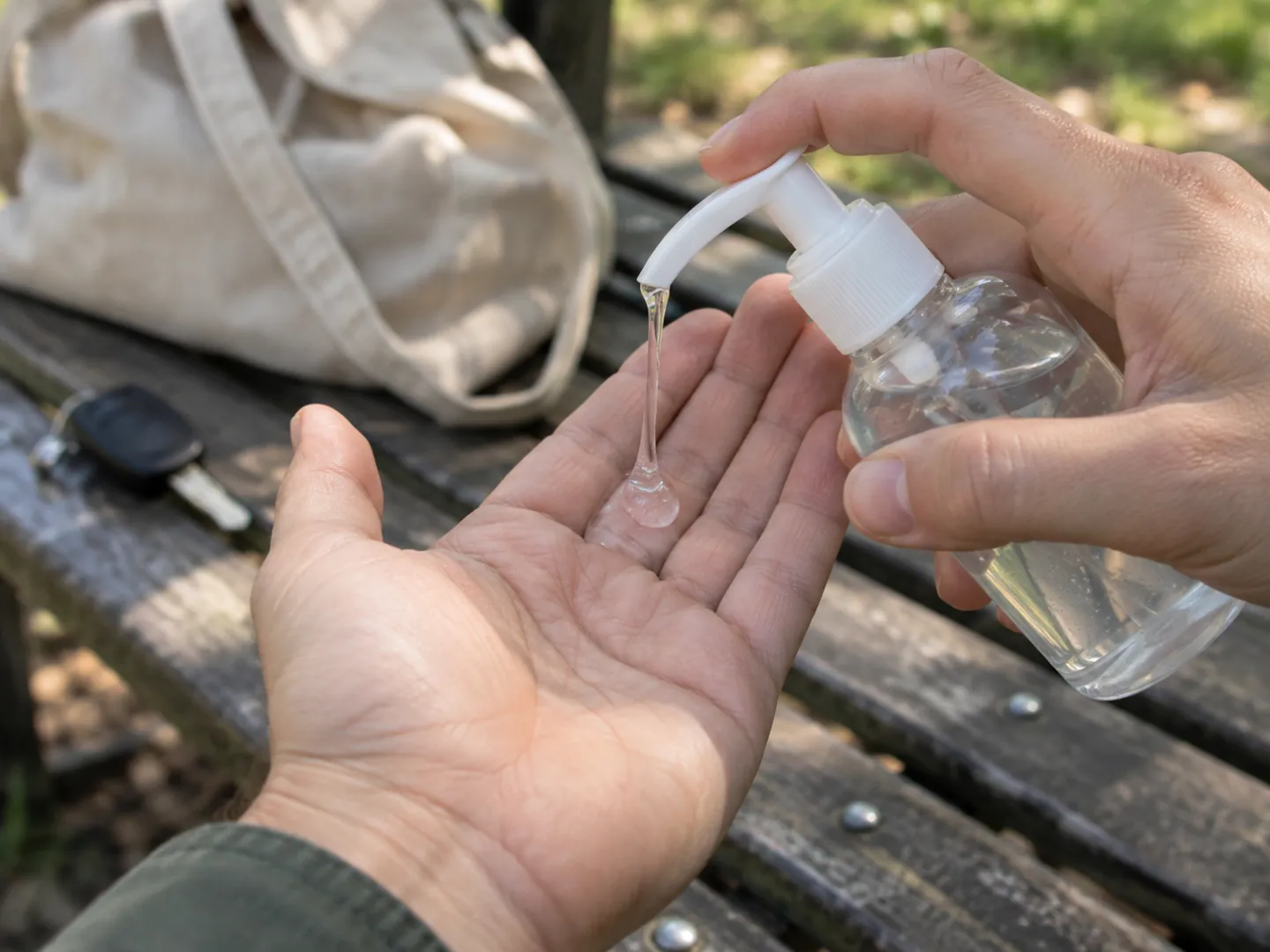
Use alcohol-based hand sanitiser if soap and water are not to hand. But the NHS notes alcohol hand gels do not kill norovirus.
See the numbersGeneral information only, not medical advice. For advice about your own health, speak to a doctor, pharmacist or other qualified health professional.
A QUICK MOMENT CHECK
Pick a moment to see what the guidance suggests. The bar shows how firmly NHS guidance points to washing with soap and water.
Based on NHS guidance on how to wash your hands and on stopping norovirus spreading. General information, not medical advice.
TWO NUMBERS WORTH KNOWING
One figure on what handwashing does,
one on how often people actually do it.
≈ 40%
Lower risk of diarrhoeal disease with handwashing
A 2014 systematic review in Tropical Medicine and International Health estimated handwashing cuts the risk of diarrhoeal disease by 40%. Adjusted for unblinded studies the estimate was 23%, and no longer statistically significant.
DIARRHOEA RISK · REVIEW
≈ 19%
People worldwide who wash with soap after the toilet
From 42 studies, the same review estimated about 19% of people worldwide wash their hands with soap after contact with excreta. The authors say this is likely an overestimate.
HABIT · REVIEW
The review, by researchers including teams at the London School of Hygiene and Tropical Medicine and the World Health Organization, pooled studies published between 1990 and August 2013.
FOUR STEPS PEOPLE SKIP
Wetting your hands and rubbing your palms is the easy part. These are the steps from the NHS and WHO technique that most often get rushed.
The NHS suggests removing jewellery such as rings and bracelets, if possible, before washing.
Rub the back of each hand with the other palm and clean in between the fingers on both hands.
Rub each thumb in the other hand, then rub your fingertips against the opposite palm.
Dry thoroughly with a disposable towel and use it to turn off the tap, so clean hands do not touch it again.
HOW HEALTHCARE DOES IT
The World Health Organization's handwashing poster for healthcare sets out twelve numbered steps and gives the whole procedure as 40 to 60 seconds, from wetting your hands to turning off the tap with the towel.
Its separate hand rub poster, for alcohol-based rubs, gives 20 to 30 seconds. WHO's advice is to wash hands when they are visibly soiled and otherwise use hand rub.
Questions
The NHS says about 20 seconds, the time it takes to sing Happy Birthday twice. WHO's healthcare poster gives 40 to 60 seconds for the whole procedure, including drying.
The NHS says to use alcohol-based hand sanitiser if you do not have immediate access to soap and water. It also notes that alcohol hand gels do not kill norovirus.
NHS guidance lists after using the toilet or changing a nappy, before eating or handling food, before and after raw meat and vegetables, after blowing your nose, sneezing or coughing, before and after treating a cut, and after touching animals.
Both NHS and WHO steps end with drying your hands completely or thoroughly with a single-use or disposable towel, then using it to turn off the tap.
A 2014 systematic review estimated handwashing reduces the risk of diarrhoeal disease by 40%, or 23% after adjusting for unblinded studies. The NHS says it helps stop infections spreading to others.
Sources
ABOUT THIS NAME
doodlehand.com is part of the DoodleSale portfolio. It isn't in an auction right now, but you can ask about leasing it.